
Taking the Sandtray Therapy Minecraft World to Meaningful Play Games Exhibition
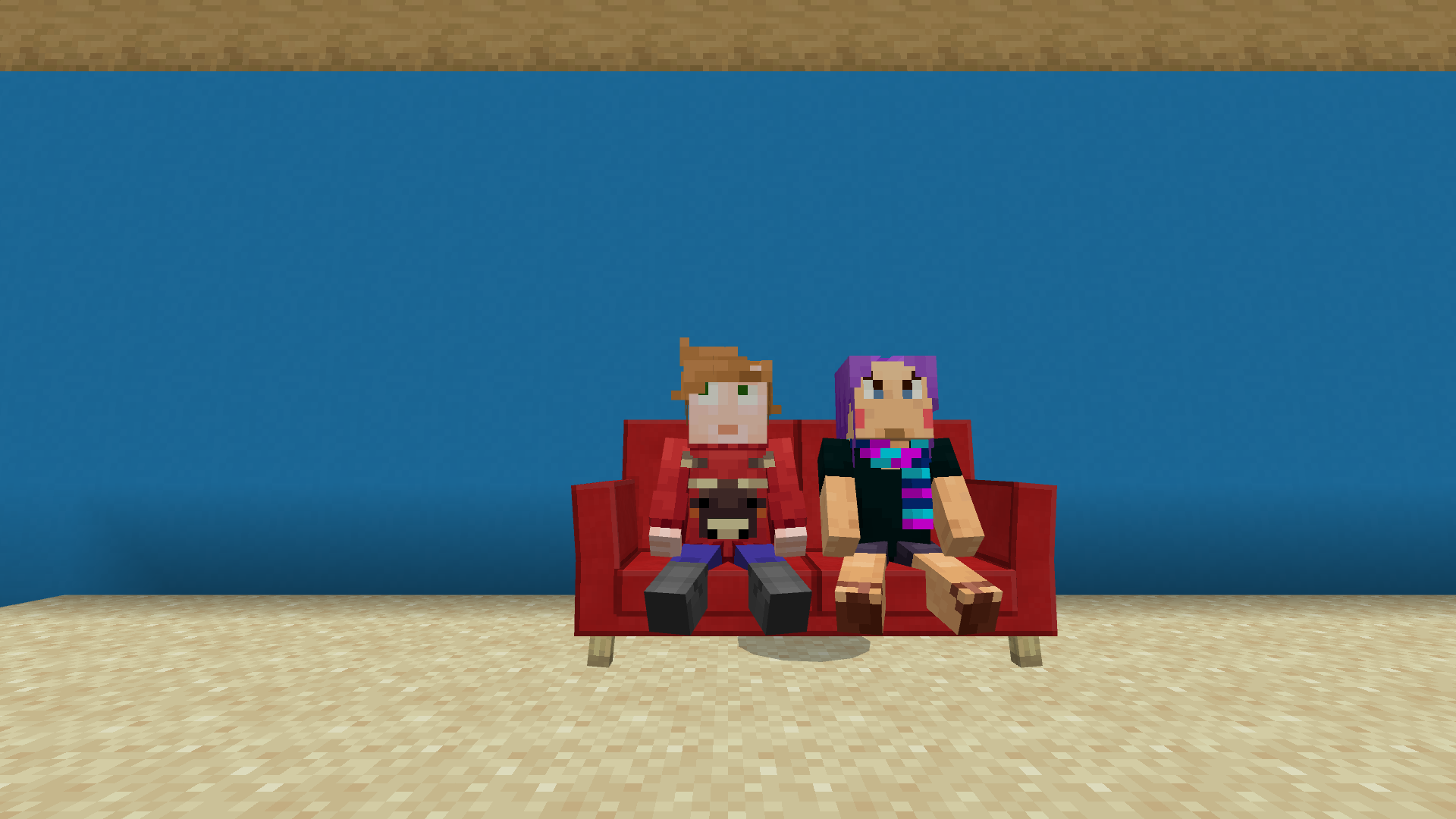
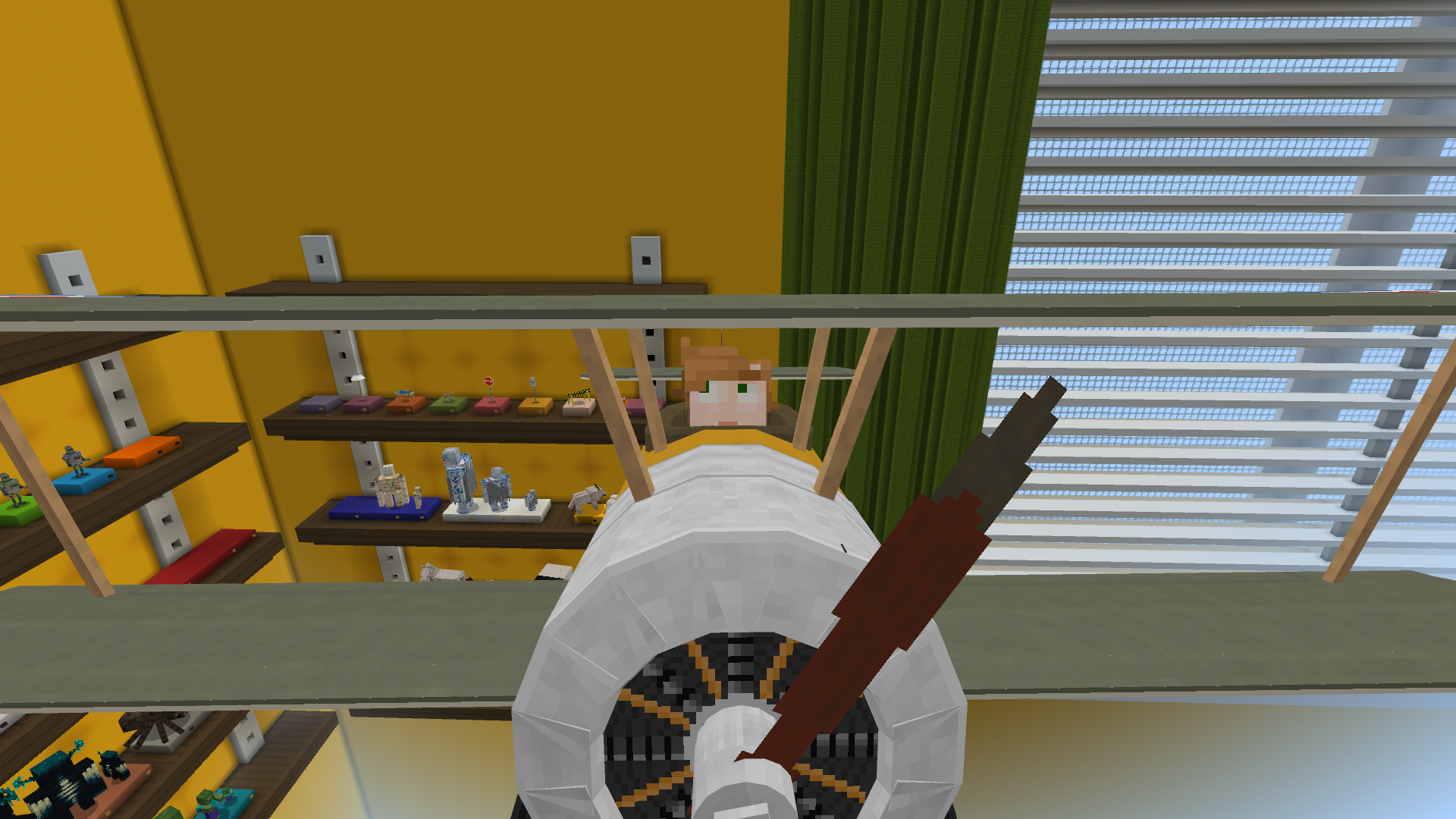
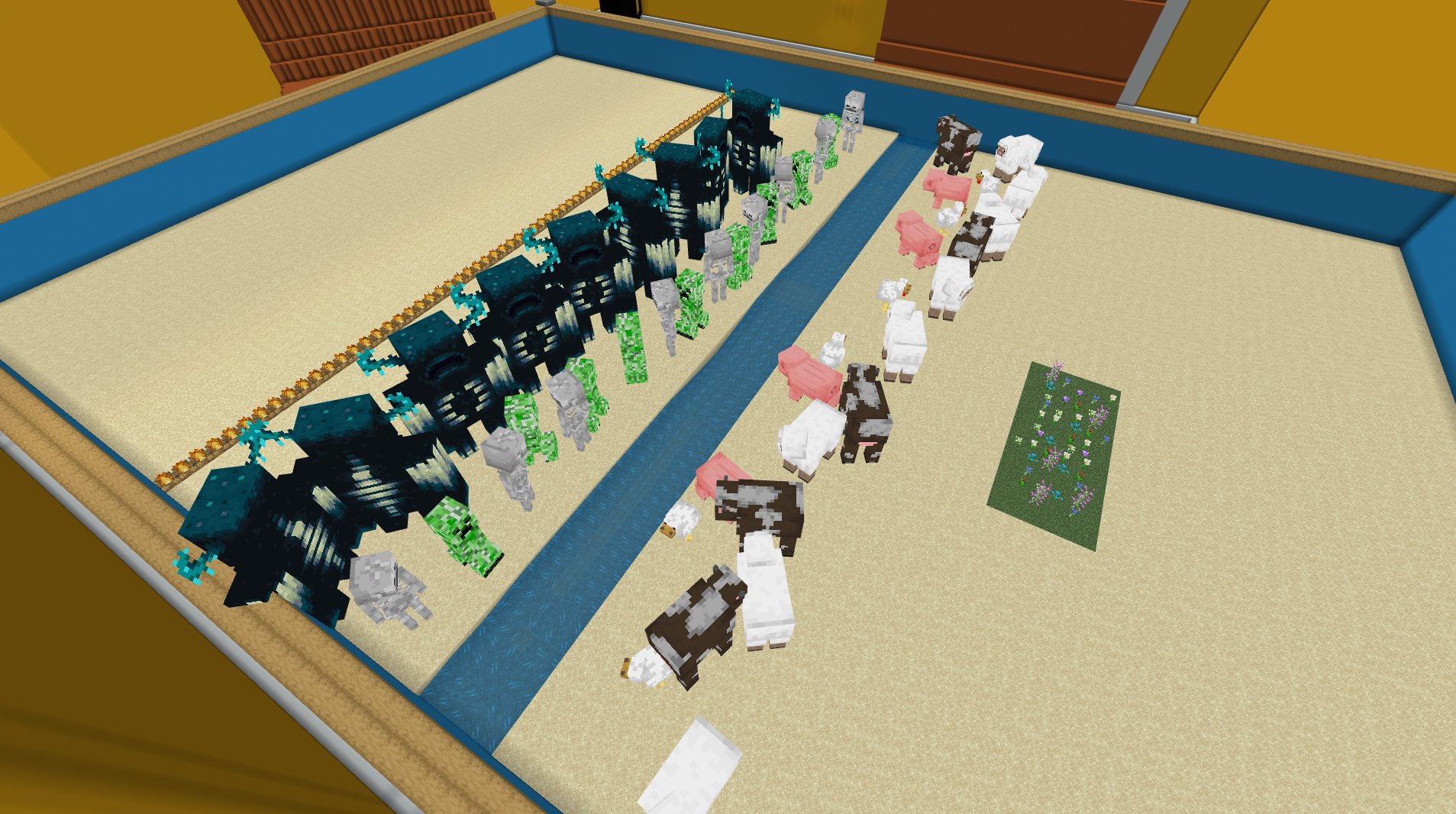
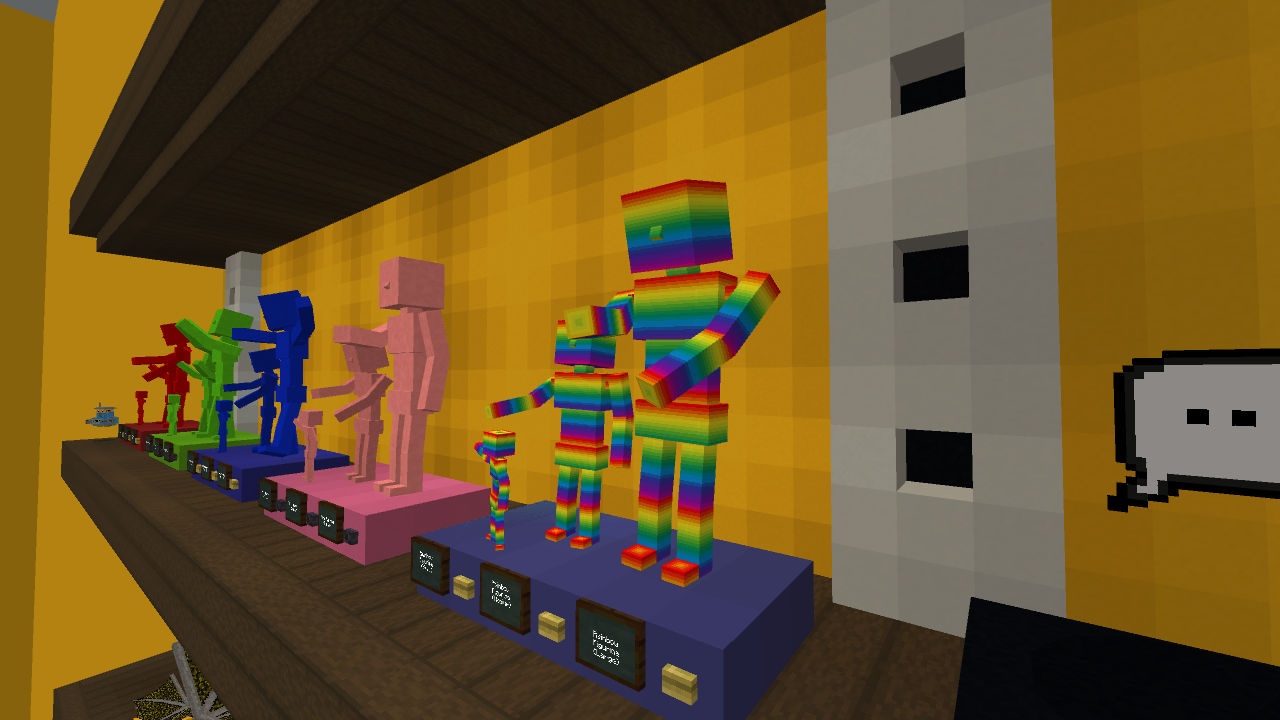
This week is Meaningful Play Conference 2026, hosted by the Center for Transformational Play at Carnegie Mellon University in Pittsburgh. The conference brings researchers, game designers, educators and practitioners together to explore how games can inform, educate and make a real difference. I’m really pleased to share that the Sandtray Therapy Minecraft World has been accepted into this year’s games exhibition.
Sandtray therapy is a well-established therapeutic approach. People arrange miniature figures and objects in a tray of sand to create scenes that show something of their inner world, their relationships or their experiences. I wanted to find a way of offering sandtray therapy online and in in-person work. I also wanted it to happen in a space that many of the children, young people and families I work with already know and feel comfortable in: Minecraft!
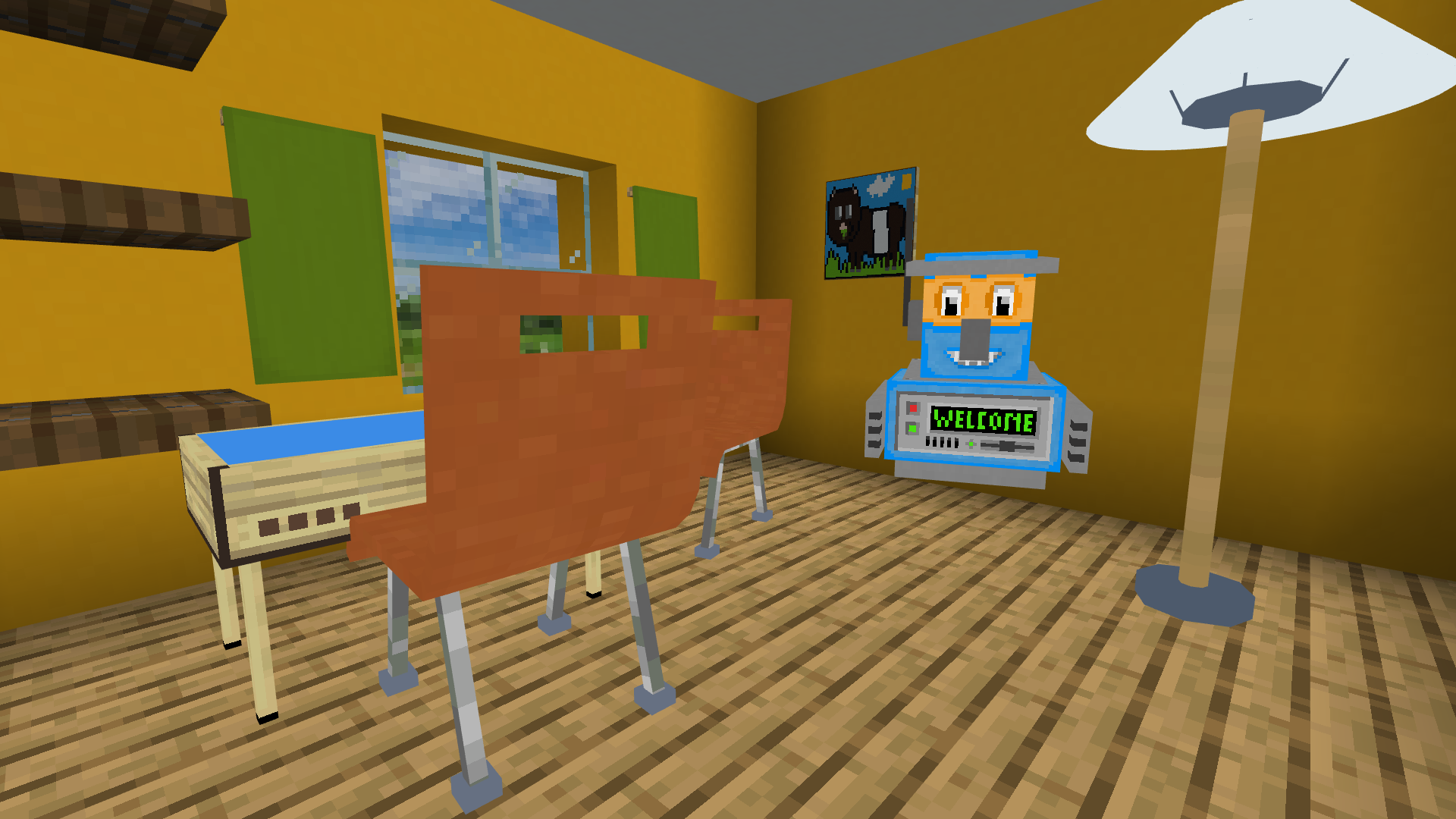
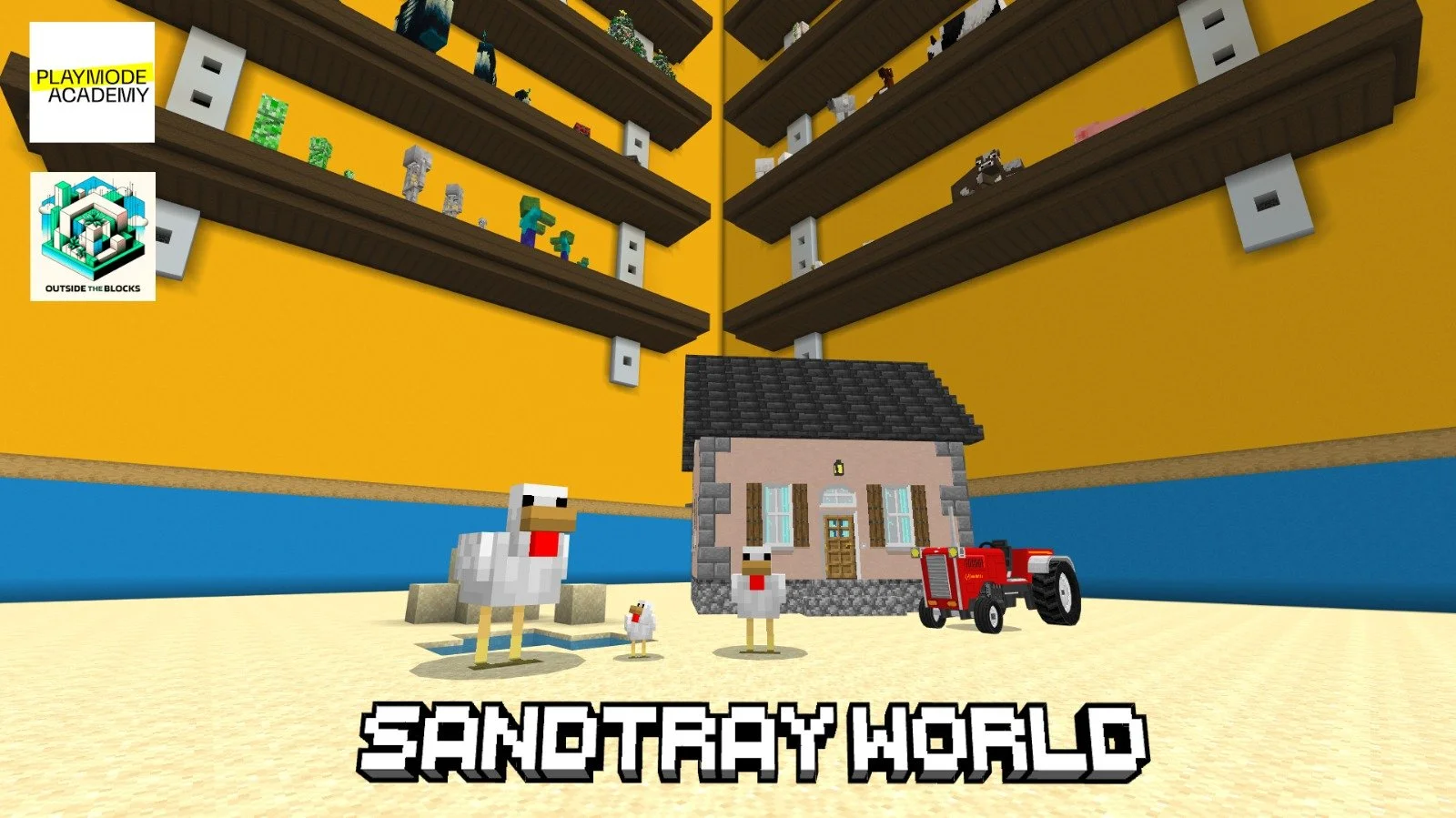
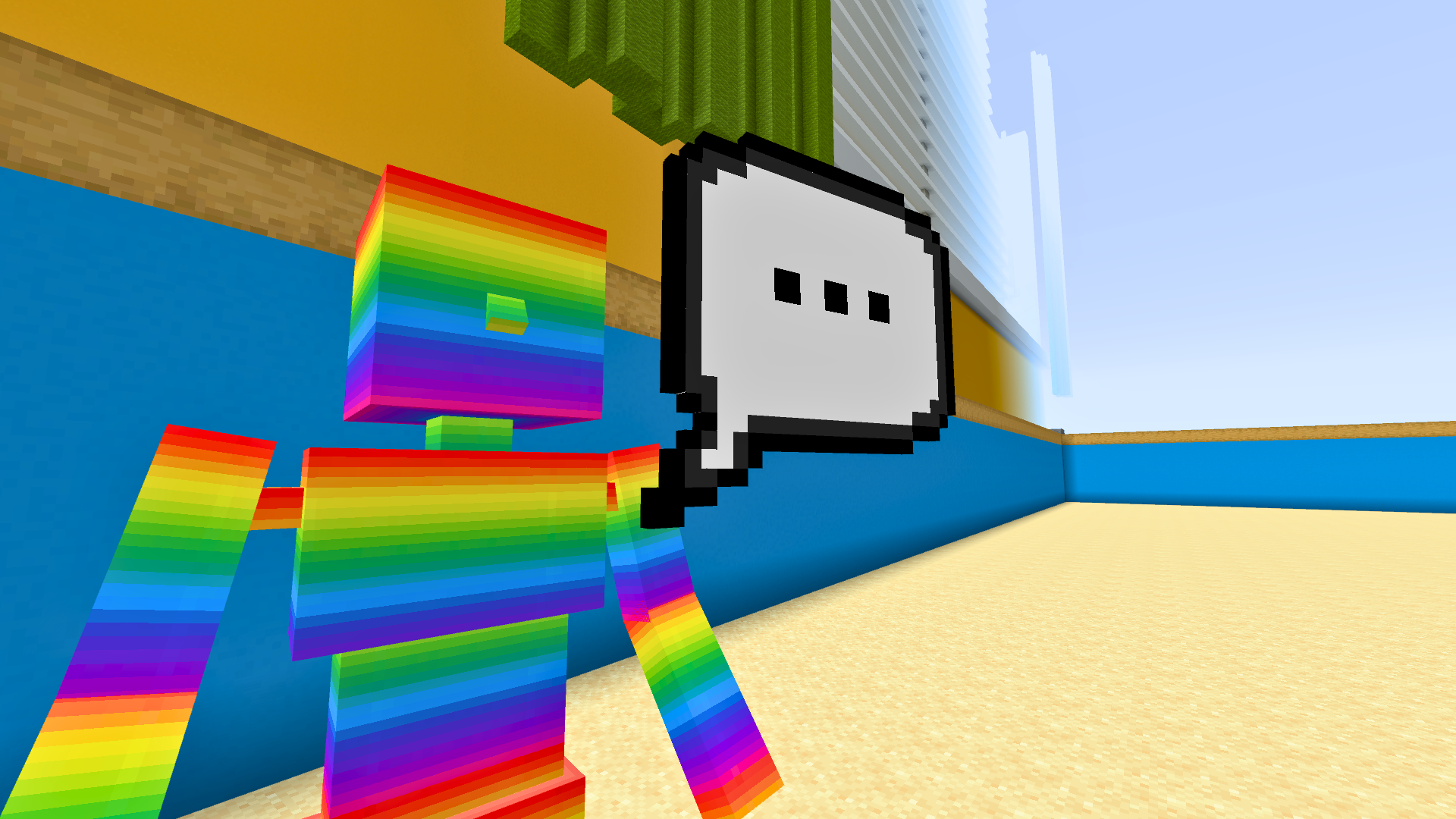
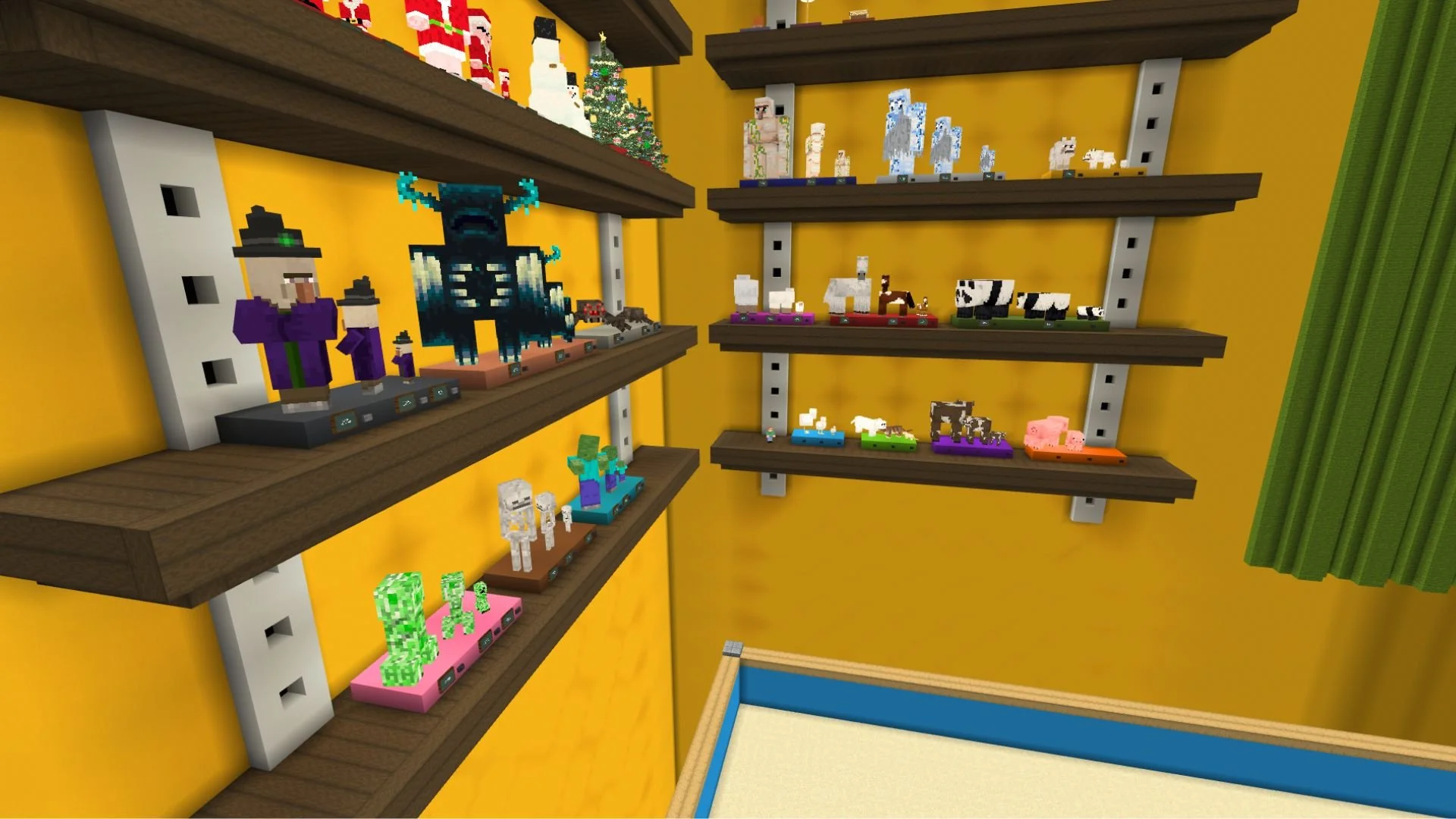
I co-created the world with Dan Noble (OutsidetheBlocks), an amazing Minecraft world builder, and its development was supported by funding from UnLtd. It is designed to look and feel like a real therapy room. You choose how to fill the tray with sand, grass, snow or nothing at all, then pick figures from the shelves around the walls. The figures are familiar Minecraft characters that stay where they are placed, so a scene can stay intact for a whole session. Most can be given speech or thought bubbles, so people can show what their characters are saying or thinking. There is no story to follow, no scoring and no objective, so people are free to create whatever feels right to them.
The Sandtray Therapy Minecraft World is free to access and is available for both Minecraft Bedrock and Minecraft Education. Over 500 people have now registered to use it, and you can register for free access here.
Practitioners have told us they are using the world to do interactive sandtray therapy remotely, to share and explore family dynamics, and to step into the worlds of the people they work with, particularly those who already play Minecraft. Some are also using it for their own reflective practice.
I’d like to say a big thank you to Justin Edwards and Cole Phillips from Minecraft Education, and to Stephen Reid, for their support, inspiration, and encouragement with this project.
Meaningful Play is a hybrid conference, so I’ll be joining remotely from the UK and I’m looking forward to connecting with people across the event. If you’re attending, in person or online, I’d love to hear what you think of the world. Your feedback really helps shape how we develop it.
